
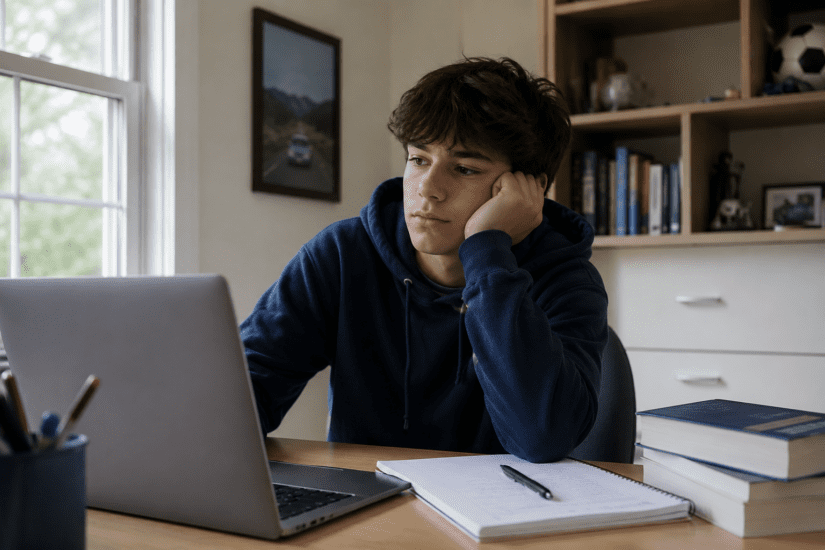
Screen time is a normal part of learning today, but there’s a point where it stops being productive and starts draining the students sitting in front of it. If your student seems exhausted even after a full night’s sleep, or their work quality is slipping without a clear reason, digital learning fatigue may be worth looking at.
This guide breaks down what it is, what to watch for, and what you can do about it.
What Digital Learning Fatigue Actually Is
Digital learning fatigue is the cognitive and physical exhaustion that builds up when students spend extended periods learning through screens. It’s not the same as needing an early bedtime. It’s a specific kind of depletion that affects concentration, emotional regulation, and motivation, and it compounds when the rest time also involves screens.
Regular tiredness resolves with rest. Digital learning fatigue often doesn’t, because most students rest by switching to a different screen. That cycle is part of what makes it hard to spot and harder to shake.
Why Screens Drain Differently Than Books
Screens require sustained close focus and often reduce blinking, which can contribute to eye strain, headaches, and mental fatigue over time. Blue light from screens, particularly in the evening, can suppress melatonin production and make it harder for some students to fall asleep after late-night studying.
Beyond the physical toll, digital environments are structurally designed to compete for attention. Physical books don’t ping. Pages don’t refresh. There’s no sidebar suggesting something more interesting. The cognitive cost of maintaining focus in a digital environment is genuinely higher, even when the content is identical to what might appear in print, and that cost accumulates across a full school day.
Warning Signs by Age Group
| Age Group | What It Looks Like |
| Elementary School | Increased irritability after school, headaches or stomachaches, loss of interest in offline hobbies |
| Middle School | Unfinished assignments, rushed work, reports of “not being able to focus,” and social withdrawal |
| High School | Disengagement that looks like attitude, inability to start tasks, and persistent low energy despite adequate sleep |
Across all ages, one of the most reliable signals is a growing gap between what you know your student is capable of and what they’re actually producing. If the quality of their work is declining without an obvious cause, digital fatigue is worth considering.
Scheduling Strategies That Actually Help
Structure matters more than willpower here. Asking your student to simply try harder to focus rarely works because the problem isn’t effort. It’s a depleted system that needs genuine recovery time.
A few approaches that make a real difference:
- Offline break rotation: Encourage your student to take notes by hand when possible, use paper for planning, or read physical copies of texts when available. The shift away from screen engagement, even within a study session, gives the brain meaningful recovery time.
- True breaks, not screen switches: A ten-minute walk or snack away from the desk resets the visual and cognitive systems. Switching from homework to social media does not.
- Evening screen cutoff: A screen-free window of at least 60 to 90 minutes before bed improves both sleep quality and how your student feels and performs the following day.
If your student is doing multiple hours of screen-based learning daily, building in one substantial offline block of 30 to 45 minutes in the afternoon can prevent the cumulative depletion that builds across the week.
When to Involve a Tutor
When fatigue starts showing up as slipping grades, assignments taking far longer than they should, or your student expressing genuine distress about keeping up, that’s a signal that depletion has compounded into an academic gap.
A tutor with Tutor Doctor works with your student one-on-one, shaping sessions around how they actually learn. Through our X-Skills™ program, tutors address the executive functioning and study skills that help students work more efficiently, which can help students work more efficiently and may reduce the hours they need to spend in front of a screen. Getting more done in less time is one of the most effective long-term strategies for managing digital fatigue. Sessions are available online or in-home, whichever fits your family’s schedule.
Our Tutor Fit Guarantee means you’ll find the right match for your student, someone who gets how they’re built and knows how to meet them where they are. If you’re noticing persistent signs that things aren’t working, a learning assessment is a practical place to start.
When to Involve a Doctor
Some symptoms belong with a clinician, not a tutor. Bring in a medical professional if your student is experiencing:
- Persistent headaches or significant vision changes
- Sleep that doesn’t feel restorative even after adequate hours
- Low mood, social withdrawal, or loss of interest in activities they previously enjoyed, lasting more than two weeks
Digital fatigue and anxiety or depression can look similar from the outside and can coexist. A professional is better positioned than a parent or tutor to distinguish between them.
You Don’t Have to Figure This Out Alone

Paying attention to your student, noticing what’s changed and being willing to adjust, already puts you ahead. When you’re ready for structured support that puts your teen’s individual needs at the center, we’re here.
Find a tutor near you and take the first step toward a plan that actually fits.