


People we trust in our community
These are organizations doing meaningful work for families across Los Angeles. We’ve grouped them by what they help with, so you can find the right starting point faster.
(Tutor Doctor isn’t affiliated with every organization listed, and inclusion here is a recommendation of their work, not a formal endorsement of specific outcomes.)


Answers to the questions parents ask us most
We’ve put together plain-language guides on the topics that come up again and again. No jargon, no fluff. Just what you need to understand your options and advocate for your child.

Your IEP & 504 Rights in California
What the school owes you, the deadlines they have to meet, and how to ask for what your child needs, in everyday language.
Download PDF
Is Something More Going On?
How to tell a hard year from something worth looking into, what the assessment options are, and where to start.
Download PDF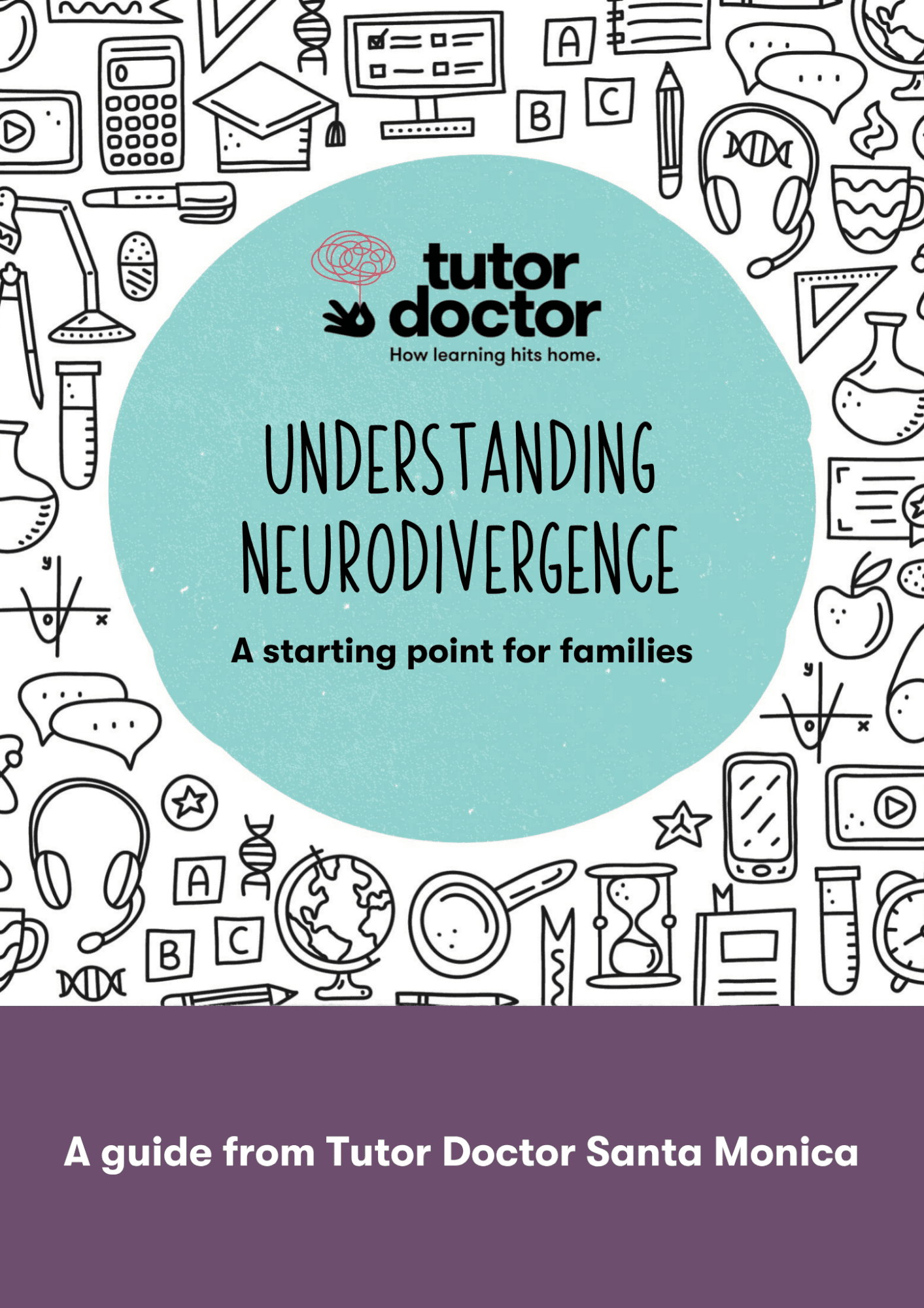
Understanding Neurodivergence: A Starting Point for Families
What terms like ADHD, autism, dyslexia, and “twice-exceptional” actually mean, and why your child’s wiring is a profile, not a verdict.
Download PDFA quick word on school support rights
If you’re considering requesting school-based support for your child, California has specific special education processes and timelines that may apply. Because rules, timelines, and individual circumstances can vary, we recommend using current official resources and speaking directly with your school district or a qualified special education professional.
When you request an evaluation in writing, the district must give you an assessment plan within 15 calendar days.
Once you sign and return that consent, the district has 60 calendar days (not counting breaks longer than five school days) to complete the assessments and hold the IEP meeting.
You’re entitled to written notice before the school changes your child’s placement.
If you disagree with the school’s evaluation, you can request an Independent Educational Evaluation, and in many cases the district pays for it.
For a parent-friendly overview, see our guide “Your IEP & 504 Rights in California.”
For the most current information, you can also review resources from the California Department of Education and Disability Rights California.
This information is provided as a general starting point only and is not legal advice.
Because sometimes it is
Our work is academic support: helping kids rebuild confidence and skills, one session at a time. But we know academics aren’t the only challenges students and their families face.
Sometimes a child is struggling with something much heavier than a tough semester. And when that happens, families are so often left feeling alone, like they’re the only ones, and that they should already know what to do.
If you’re in that place right now, these are good, trustworthy first calls. They’re free, confidential, and staffed by people who do this every day:
988Suicide & Crisis LifelineCall or text 988, anytime, for any mental health crisis.
1-800-662-4357SAMHSA National HelplineFree, confidential, 24/7 referrals for mental health and substance use.
1-800-854-7771Los Angeles County Dept. of Mental Health ACCESS LineLocal support and connection to services.
If your child is in immediate danger, call 911 or go to your nearest emergency room.