
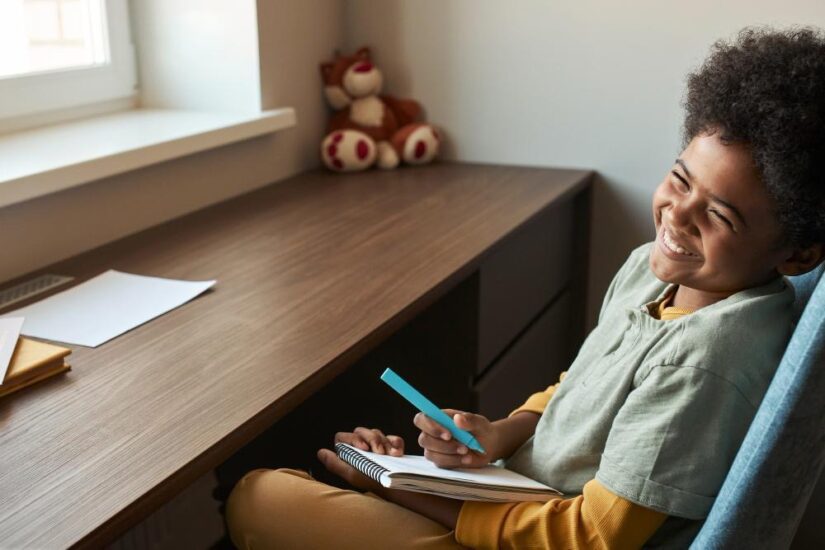
Discover how a great study space can boost your child’s focus, motivation, and school success with these seven easy tips.
Why a Good Study Spot Matters
Does your child have trouble focusing on schoolwork at home? It’s a common challenge, and it’s often not about effort but about the environment itself. Small distractions can easily break their focus, leading to frustration. As a parent, you might be wondering how you can create a space that actually helps.
The good news is that a well-designed study area is proven to help a child’s focus, motivation, and grades. It’s more than just a desk; it’s a space that supports their learning and emotional well-being. When a child feels comfortable and organized, they are more engaged and ready to take in new ideas.
You’ll know your efforts are working when you see your child starting homework on their own, feeling less stressed about school, and showing more academic confidence.
Did You Know? It’s a fact: our physical surroundings directly influence how we think, pay attention, and stay motivated.
Step 1: Pick the Right Spot

Where your child studies makes a big difference. The best spot is easy to get to but quiet and away from family foot traffic. A dedicated room isn’t necessary—a corner in a bedroom or dining room works great. Try to choose a spot near a window for natural light.
Pro Tip: Studies show that natural light can improve a student’s test scores by up to 25%.
Also, make sure the temperature is comfortable—not too hot or too cold. For smaller homes, a rolling cart with supplies can turn any area into a temporary study zone. The key is to use the same spot consistently to help your child get in the “zone” for learning.
Step 2: Choose Comfy, Kid-Sized Furniture
Good posture helps kids focus longer without getting tired or sore. Look for a desk and chair that are the right size for your child. Adjustable furniture is a great investment because it can grow with them. The goal is simple: their feet should be flat on the floor and their arms should rest comfortably on the desk at about a 90-degree angle.
Age-Appropriate Furniture Sizing
| Age Group | Recommended Desk Height | Recommended Chair Height | Key Ergonomic Notes |
| Preschool (3-5) | 14-18 inches | 6-7 inches | Feet should touch the floor or a small stool. |
| Elementary (6-10) | 22-26 inches | 12-14 inches | A chair with good back support is important. |
| Middle/High School | Adult-sized (28-30 in) | Adult-sized (16-20 in) | An adjustable chair is best for teens. |
Step 3: Keep Supplies Organized
An organized space teaches responsibility and cuts down on the “I can’t find my…” frustration. A simple “three-zone system” works well. Keep daily items like pencils and notebooks within arm’s reach. Nearby shelves can hold reference books and art supplies. A separate bin can store finished projects.
An organized space builds independence. The goal is for your child to find and put away their own supplies, which builds their confidence.
Step 4: Make It a Place They Like
Simple décor can affect how your child feels and focuses. Calming colors like blue and green can reduce stress, but the most important thing is to let your child help. When they have a say in their space—by choosing a poster, displaying their artwork, or picking out a pencil holder—they are more likely to enjoy using it.
Let your child help decorate! When they feel ownership over their study space, they are more likely to take care of it and use it willingly.
Step 5: Cut Out Distractions
This is one of the most powerful changes you can make. Clear visual clutter like toys and games from the desk. A clean space helps create a clear mind. Digital distractions are another big challenge. Consider rules like keeping phones in another room during homework time, especially if your child struggles with focus and attention. Understanding the role of technology in education can also help you set healthy boundaries.
Step 6: Build a Simple Routine
Routines make getting started so much easier. A simple “learning ritual,” like spending five minutes gathering supplies before starting or doing a quick tidy-up after, can signal to your child’s brain that it’s time to focus. These simple actions help build strong study habits over time.
Remember: Consistency is more important than perfection. A simple five-minute routine can build powerful, long-lasting habits.
Step 7: Add Some Fun
The best study spots make kids feel curious, not stressed. Make learning more engaging by connecting it to their interests. If they love dinosaurs, use dinosaurs in math problems. Include hands-on materials for creative projects and celebrate their effort, not just their grades.
Foster a Growth Mindset: Display encouraging phrases like, “Mistakes help me learn.” This builds resilience and a positive attitude toward challenges.
How Your Home Environment Supports Tutoring
When you create a great study space, you boost the results of professional tutoring. Practicing in a dedicated spot helps new ideas stick. It also gives your child the confidence to tackle homework and new subjects. For online tutoring, a quiet, well-lit space is essential for a productive session.
Overcoming Common Challenges
- Limited Space? A folding desk or even a designated supply basket can create a study zone anywhere.
- Multiple Children? Use dividers to create separate spots or have them study at different times.
- On a Budget? Focus on cheap fixes like better lightbulbs, DIY organizers, and thrifted furniture.
- Focus Issues? Try short work periods with a timer and lots of movement breaks.
Frequently Asked Questions
Q: How much should I spend?
A: You don’t need to spend a lot! Good lighting, comfy seating, and basic organization are what matter most.
Q: What if my child won’t use the space?
A: Let them help create it so it feels like their own. Start with short, fun activities in the space before moving on to homework.
Q: Should siblings share a study space?
A: It depends on their personalities. Some kids work well together, while others need their own space to focus.
Q: What’s the most important thing to get right?
A: If you can only do one thing, focus on good lighting and a comfortable chair. It makes the biggest difference for focus and stamina.
Ready to Transform Your Child’s Learning Experience?
Creating a great study spot is one of the best ways you can support your child’s education. It’s a space where they feel comfortable, confident, and ready to learn.
At Tutor Doctor, we know that combining personalized tutoring with a supportive home environment helps children reach their full potential. Our expert tutors come to your home, working in the space you’ve created to provide one-to-one instruction tailored to your child’s needs.
Contact Tutor Doctor today to learn how our personalized tutoring services can help your child achieve lasting academic success. Together, we can turn your home into a place where your child truly thrives.