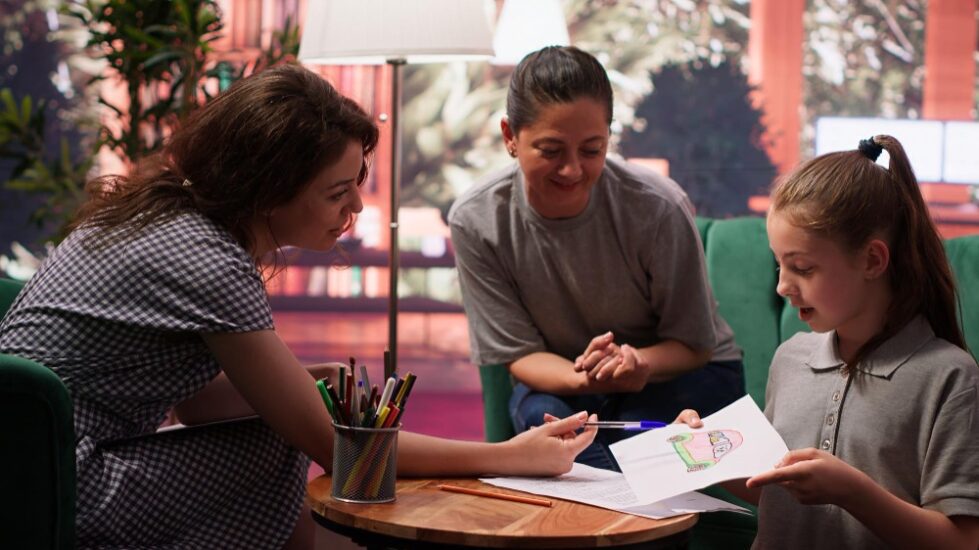
Research consistently shows that family engagement is one of the strongest predictors of student success. When schools and families build strong partnerships, students benefit from better grades, improved attendance, and are more likely to feel more confident in school. This positive impact holds true regardless of a family’s income or background.
As a parent, you want the best for your child’s education, and building a strong relationship with their teacher is a great place to start. However, knowing the most effective way to communicate can sometimes feel tricky. This guide offers practical ways to create a positive partnership that helps your child succeed.
1. Understand the Three C’s
A strong parent-teacher partnership is built on three key principles: Communication, Collaboration, and Consistency. Communication means creating a two-way conversation where you both share insights. Collaboration is about working together as a team to solve problems and set academic goals. Consistency ensures your child gets the same supportive messages and expectations at home and at school, which helps them feel more secure.
2. Connect at the Right Time and in the Right Way
Early in the school year, ask the teacher how they prefer to communicate, whether it is by email, a classroom app, or phone. When you need to reach out, be specific. Instead of saying, “My child seems stressed,” try something more concrete like, “I’ve noticed my child is spending two hours on math homework and getting frustrated. Can we discuss ways to help?” A quick, timely conversation can prevent small concerns from becoming bigger problems.
3. Make Communication a Two-Way Street
Your child’s teacher sees them in the classroom, but you have invaluable insight into their life outside of school. Sharing information about your child’s background, interests, and learning style helps the teacher connect lessons to their experiences. When asking for updates, use specific questions. For example, instead of asking, “How is my child doing?” you could ask, “What skills can we practice at home to support what you’re working on in class?”
4. Be Proactive to Prevent Issues
Proactive communication builds the strongest relationships. Start the year with a friendly email introducing your child and letting the teacher know you look forward to partnering with them. Stay informed by checking the school portal for assignments and attending school events when you can. If your child mentions they are confused about a topic, reach out sooner rather than later. If you find that your child needs more focused help than the classroom can provide, personalized one-to-one tutoring can make a significant difference.
5. Handle Disagreements with Respect
Disagreements can happen even in the best partnerships. When a concern arises, always assume the teacher has good intentions. Use “I” statements to explain your perspective without sounding accusatory. For instance, try saying, “I’m worried because homework is taking a long time, and my child is exhausted,” instead of, “You’re giving too much homework.” If you feel upset, wait a day before sending an email. For complex issues, a phone call is often more effective.
Creating a Circle of Support
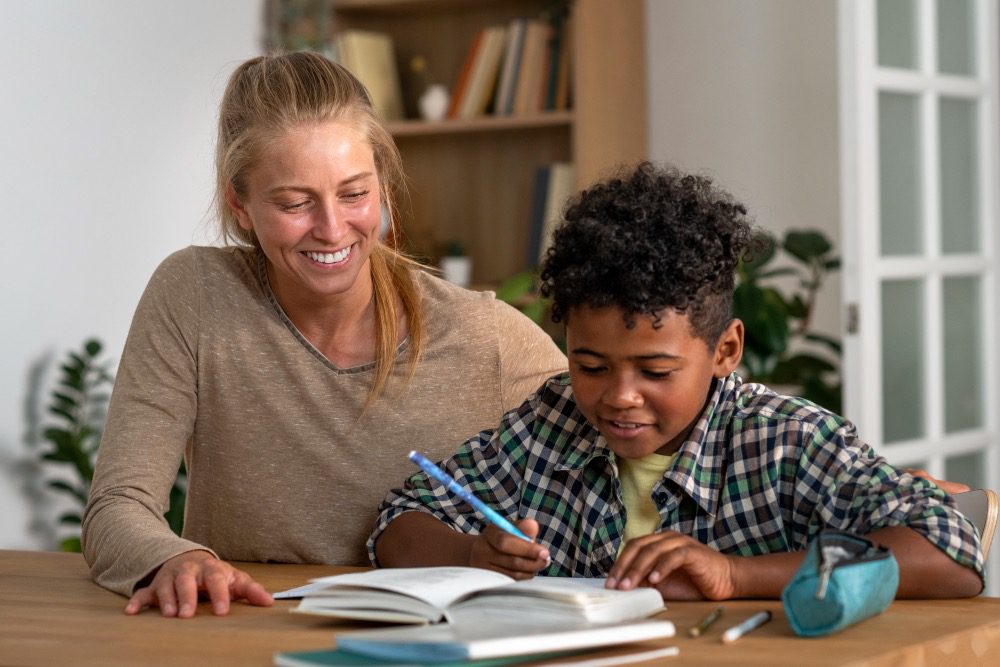
A strong parent-teacher partnership creates a powerful support system for your child. When home and school work together, students feel more confident and motivated.
Sometimes, a child may need more personalized support to thrive. Tutor Doctor provides one-to-one tutoring that is tailored to your child’s unique needs. We help students build academic skills and confidence, keeping you updated with session reports along the way.
If you feel your child needs extra support, Schedule a free consultation to learn how personalized tutoring can help.