

The pressure to achieve the perfect SAT score for Ivy League admission can feel overwhelming especially when the rules seem to keep changing. With some schools reinstating testing requirements while others remain test-optional, students and families are left wondering: what SAT score do I really need for Harvard, Yale, Princeton, and the rest?
The good news is that while Ivy League schools are incredibly selective, understanding the current landscape can help you approach test prep with clarity. Let’s break down exactly what you need to know about SAT scores for top colleges in 2025.
What Is Considered a Good SAT Score in 2025?

The definition of a “good SAT score” depends entirely on your child’s goals. For Ivy League admission, here’s how to think about score ranges.
Strong positioning lies between 1550 – 1600. Students scoring in this range are in excellent shape for any Ivy League school. 1500 – 1550 represents a competitive range: the sweet spot for Ivy League applicants. Students scoring here have cleared the academic bar and can compete effectively when other application elements are strong. This range includes the 50th percentile of admitted students at most Ivies.
Scores in the threshold territory range between 1450 – 1500. They keep students in the conversation but require significant compensatory factors such as exceptional leadership, unique talents, compelling personal stories, or academic achievements that demonstrate potential beyond test scores.
A good SAT score for Ivy League schools starts around 1500, but the “right” score depends on your child’s complete profile and which specific schools they’re targeting.
Current SAT Score Ranges for Ivy League Schools
Each school has its own expectations, and the average SAT score for Ivy League admission varies significantly across the eight institutions. Scoring within the middle 50% range gives your child a realistic shot at admission when combined with strong grades, meaningful extracurriculars, and compelling essays.
| University | Middle 50% SAT Range | Average SAT Score | 2025 Testing Policy |
| Harvard | 1510-1580 | 1550 | Required |
| Yale | 1480-1560 | 1540 | Test-Flexible |
| Princeton | 1500-1560 | ~540 | Test-Optional |
| Columbia | 1520-1560 | 1540 | Test-Optional |
| UPenn | 1510-1570 | 1540 | Required (2026+) |
| Brown | 1480-1560 | 1540 | Required |
| Dartmouth | 1440-1560 | 1530 | Required |
| Cornell | 1480-1560 | 1520 | Mixed by School |
Why Are Ivies Bringing Back the SAT?
After the pandemic forced test-optional policies, comprehensive research has driven most schools back toward requiring standardized tests. In 2024, Dartmouth reinstated testing requirements, Brown and Yale announced new testing policies, and Harvard also confirmed return to required testing
Research from Dartmouth and other institutions revealed an unexpected finding: test-optional policies often hurt the students they were meant to help. Low-income students with strong scores weren’t submitting them, not realizing these scores could dramatically improve their chances.
Don’t underestimate the value of solid SAT scores, even if they’re not perfect.
How SAT Scores Fit Into Ivy League Admissions
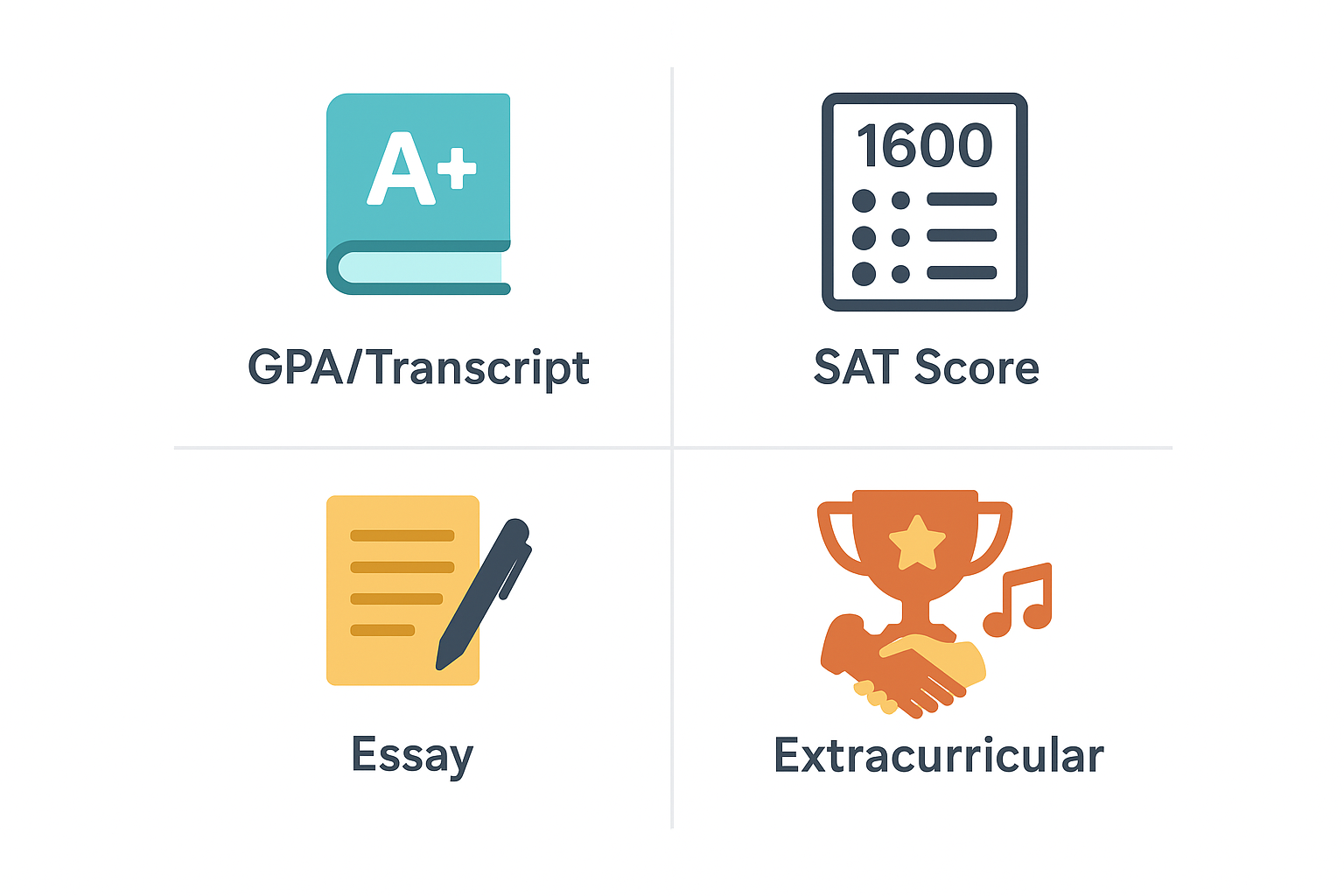
While SAT scores matter enormously for Ivy League admission, they’re just one piece of the picture. Academic Record is one of the most important factors. The average admitted student carries a 3.9+ unweighted GPA with challenging coursework. Standardized Test Scores function as both initial screening tools and tie-breakers in final decisions. Strong scores validate academic preparation and provide objective comparison points. Essays and Personal Qualities are increasingly important as academic metrics because they help students stand out from similarly qualified peers. Extracurricular Activities demonstrate passion, leadership, and impact beyond the classroom.
Understanding how schools evaluate applications in addition to SAT scores can help your family prioritize test prep efforts appropriately.
Building Confidence Through Strategic SAT Preparation
At Tutor Doctor, we understand that SAT prep isn’t merely about raising scores. We work overarchingly to build the confidence and study skills your child needs for long-term academic success. We use personalized learning plans and flexible scheduling to adapt to your family’s timeline and goals.
The most successful students aren’t necessarily those with perfect test scores, they’re the ones who develop resilience, curiosity, and the ability to tackle challenges with confidence. Whether your child’s dreams include Ivy League schools or other exciting paths, investing in their overall academic confidence will pay significant dividends.
Ready to help your child approach SAT prep with confidence? Our experienced tutors are here to create a personalized plan that fits your child’s learning style and goals. Because when students feel supported and prepared, they can achieve more than they ever thought possible. Contact Tutor Doctor today to learn how our one-to-one tutoring can help your child succeed.